Call Us Today! 1-866-217-7277

Seamless Gutters vs Traditional Gutters: Which Is Better?
Published On: October 15, 2026
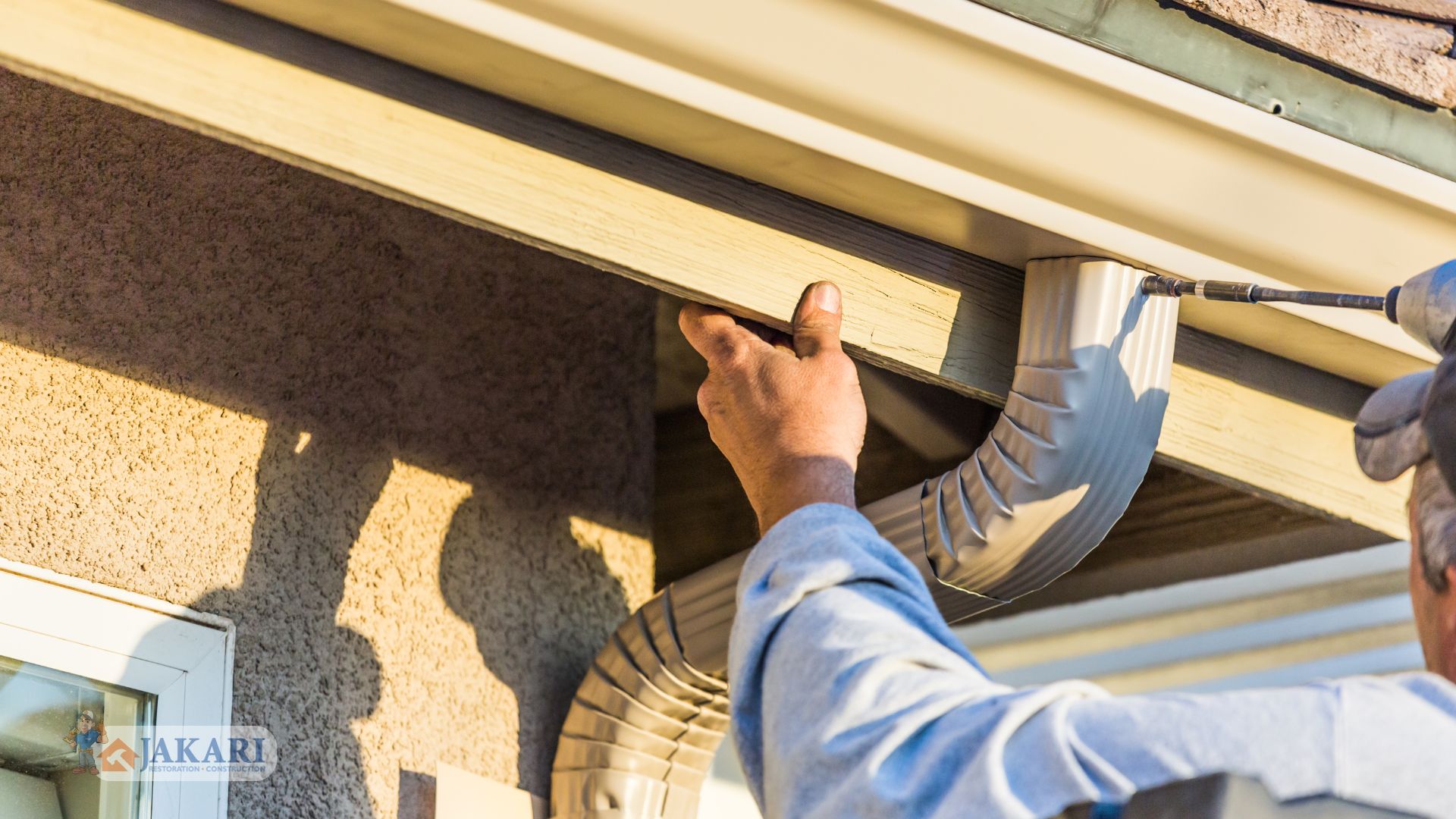
Seamless gutters are manufactured to fit a property’s measurements with fewer joints, while traditional sectional gutters are assembled from multiple individual sections.
Gutters play an important role in directing rainwater away from a home’s roof, walls, foundation, and surrounding areas. When selecting a gutter system, homeowners commonly compare seamless gutters with traditional sectional gutters.
Both systems can provide effective rainwater management when properly designed and installed. However, they differ in construction, installation, maintenance requirements, appearance, and the number of joints within the system.
Understanding these differences can help homeowners determine which option is better suited to their property.
What Are Seamless Gutters?
Seamless gutters are produced in long sections based on the dimensions of the property.
Rather than connecting many short gutter sections together, the system generally has fewer seams along its length.
The primary joints typically occur at corners, downspout connections, and other necessary transition points.
Homeowners considering a seamless gutter installation can evaluate the property’s roofline, drainage requirements, and overall layout before selecting a system.
What Are Traditional Sectional Gutters?
Traditional gutters are assembled from individual sections.
These sections are connected along the roofline, creating seams at multiple points.
Sectional systems are available in various materials, sizes, and styles.
They can be suitable for many properties, particularly where the gutter layout is straightforward or where individual sections make installation more convenient.
However, the greater number of connections means there are more seams that require attention over the life of the system.
Seamless Gutters Have Fewer Joints
One of the main differences between the two systems is the number of seams.
A sectional gutter system has connections wherever separate sections meet.
A seamless system significantly reduces these connections along long runs.
Fewer seams can simplify maintenance and reduce the number of areas that need to be monitored for potential separation or leakage.
This does not mean seamless gutters are completely maintenance-free. Corners, outlets, downspouts, and other connection points still require proper installation and periodic inspection.
Traditional Gutters Can Be Easier to Replace in Sections
Sectional gutters have one practical advantage: individual pieces can often be removed and replaced separately.
If one section becomes damaged, replacement can potentially be limited to the affected portion.
This can make certain repairs straightforward.
However, the suitability of sectional gutters depends on the property’s design and the homeowner’s priorities.
Seamless Gutter Installation Requires Precise Measurement
Because seamless gutters are manufactured according to the property’s dimensions, accurate measurements are important.
The installation process must account for:
- Roofline length
- Corners
- Downspout locations
- Slope
- Drainage requirements
- Building layout
Proper installation helps ensure that water flows toward the intended downspout locations.
A professional gutter installation company can evaluate these factors as part of the installation process.
Comparing Leak Potential
Every gutter system has connection points.
Traditional sectional systems have more seams along their runs, while seamless systems reduce the number of these joints.
This can reduce the number of areas where separation or leakage may develop.
However, installation quality remains important.
A poorly installed seamless gutter system can still experience drainage problems, improper slope, or leaks at connection points.
Appearance and Curb Appeal
The appearance of gutters can also influence a homeowner’s decision.
Seamless gutters can create a more continuous visual line along the roof edge.
This can provide a clean appearance, particularly on homes with longer rooflines.
Sectional gutters can also look appropriate when properly installed, but their individual connections may be more visible.
The best option depends on the architectural style and the homeowner’s preferences.
Maintenance Requirements
All gutter systems require maintenance.
Leaves, branches, dirt, and other debris can obstruct gutters and downspouts.
Regular inspection can help identify:
- Blockages
- Sagging
- Loose fasteners
- Leaks
- Improper drainage
- Damaged sections
- Downspout problems
Seamless gutters do not eliminate the need for cleaning.
Their primary structural difference is the reduction in seams, not the elimination of maintenance.
Rain Gutter Installation and Drainage
Proper drainage is more important than simply choosing a particular gutter style.
A gutter system should be designed to collect roof runoff and direct it toward appropriate discharge points.
The system may need to account for:
- Roof size
- Roof pitch
- Rainfall
- Downspout placement
- Property slope
- Drainage destinations
Homeowners considering rain gutter installation should evaluate the entire drainage strategy rather than focusing only on the appearance of the gutters.
Material Selection Matters
Both seamless and sectional gutters can be available in different materials.
Material selection can affect:
- Durability
- Appearance
- Maintenance
- Weight
- Cost
- Resistance to environmental conditions
The right material depends on the property’s needs and the homeowner’s preferences.
The gutter style and the material should be considered together.
Seamless Gutters and Long-Term Maintenance
The reduced number of seams can be an advantage for homeowners who want a simpler gutter configuration.
Fewer joints mean fewer connection points along long runs.
However, long-term performance still depends on proper installation and maintenance.
Homeowners should inspect the entire system periodically and keep gutters and downspouts clear.
When Traditional Gutters May Be Appropriate
Traditional gutters may make sense for certain properties and project requirements.
They can be useful where:
- Short gutter runs are involved
- Individual sections are preferred
- Replacement flexibility is important
- The property has a simple layout
- The homeowner has a specific material preference
There is no universal answer that makes sectional gutters unsuitable for every property.
When Seamless Gutters May Be Preferable
Seamless gutters may be attractive to homeowners who prioritize:
- Fewer seams
- A continuous appearance
- Reduced potential connection points
- Custom fitting
- Long gutter runs
- A professionally installed system
The property’s roofline and drainage requirements should still be evaluated before making a final decision.
Gutters and Roof Protection
Gutters work as part of the home’s exterior water management system.
They collect runoff from the roof and direct it away from vulnerable areas.
When gutters are damaged, blocked, or improperly installed, water may not be directed as intended.
This makes gutter condition an important consideration during broader exterior maintenance.
Homeowners who are also addressing roofing concerns can review roofing services as part of a broader exterior evaluation.
Gutters After Storm Damage
Severe weather can damage gutters through wind, hail, falling branches, or other debris.
Bent sections, detached gutters, damaged downspouts, and loose fasteners can affect drainage.
After significant weather, homeowners should inspect the gutter system along with other exterior components.
Where storm damage affects several areas of the property, storm damage recovery services may be relevant to the overall restoration process.
Gutters and Other Exterior Improvements
Gutters are one component of the home’s exterior system.
Homeowners may also evaluate windows, doors, roofing, decks, and other exterior features during improvement projects.
When multiple exterior systems are being addressed, planning the work together can help maintain a consistent approach to the property’s design and performance.
Cost Considerations
The cost of a gutter system depends on several factors.
These may include:
- Property size
- Gutter length
- Material
- Number of corners
- Downspout requirements
- Installation complexity
- Existing gutter removal
- Property accessibility
Seamless gutters may require specialized equipment and professional installation.
Sectional gutters can have different installation considerations.
Rather than comparing systems based only on initial price, homeowners should consider installation quality, expected maintenance, appearance, and long-term suitability.
FAQs
1. What is the main difference between seamless and traditional gutters?
Seamless gutters are manufactured in longer sections designed for a specific property, resulting in fewer joints. Traditional gutters are assembled from multiple individual sections connected along the roofline.
2. Are seamless gutters better than sectional gutters?
Neither system is universally better. Seamless gutters can offer fewer seams and a continuous appearance, while sectional gutters can provide flexibility for certain installations and repairs.
3. Do seamless gutters require maintenance?
Yes. Seamless gutters still need regular cleaning and inspection. Leaves, dirt, branches, and other debris can block both gutters and downspouts.
4. Are seamless gutters more expensive?
Installation costs depend on the property’s size, layout, material, gutter length, and installation requirements. Seamless systems may involve specialized manufacturing and installation.
5. Can storm damage affect seamless gutters?
Yes. Wind, hail, branches, and other storm-related impacts can damage seamless gutters and their connection points. Damaged gutters should be inspected and repaired or replaced as appropriate.
Conclusion
The choice between seamless and traditional gutters depends on the property’s layout, drainage requirements, appearance, maintenance preferences, and budget.
Seamless gutters provide a continuous system with fewer joints along long runs, while traditional sectional gutters offer a more segmented approach that can provide flexibility for certain projects.
Proper installation is important regardless of the system selected. Homeowners should also maintain gutters regularly and inspect them after severe weather.
For homeowners considering seamless gutter installation, the property’s roofline and drainage requirements should be evaluated before selecting the system.
Gutters also work alongside other exterior components. Homeowners addressing broader property concerns can consider roofing services, storm damage recovery, and other relevant exterior services as part of a coordinated maintenance or restoration plan.
The best gutter system is ultimately one that fits the property correctly, manages water effectively, and can be maintained properly over time.
Get a Free Home Exterior Inspection Today
Plus explore 0% financing options through Regions Bank.
View Financing
Our Offices
11512 Robertson Drive
Manassas, VA 20109
Manassas, VA 20109
Mon – Fri: 7:30 AM – 8 PM
Sat: 7:30 AM – 3 PM
Sat: 7:30 AM – 3 PM
1-866-217-7277
info@jakarirestoration.com
Service Area
Proudly serving: Loudoun, Arlington, Prince William, Fairfax, Fauquier, Stafford, and Falls Church counties & surrounding areas.
Licenses
VA Class A License No: 270567682
Classifications: RBC, HIC, and ROC
MHIC #: 137279