Call Us Today! 1-866-217-7277

Emergency Storm Damage Repair: Fast Response for Arlington County Homeowners
Published On: October 7, 2026
Intro
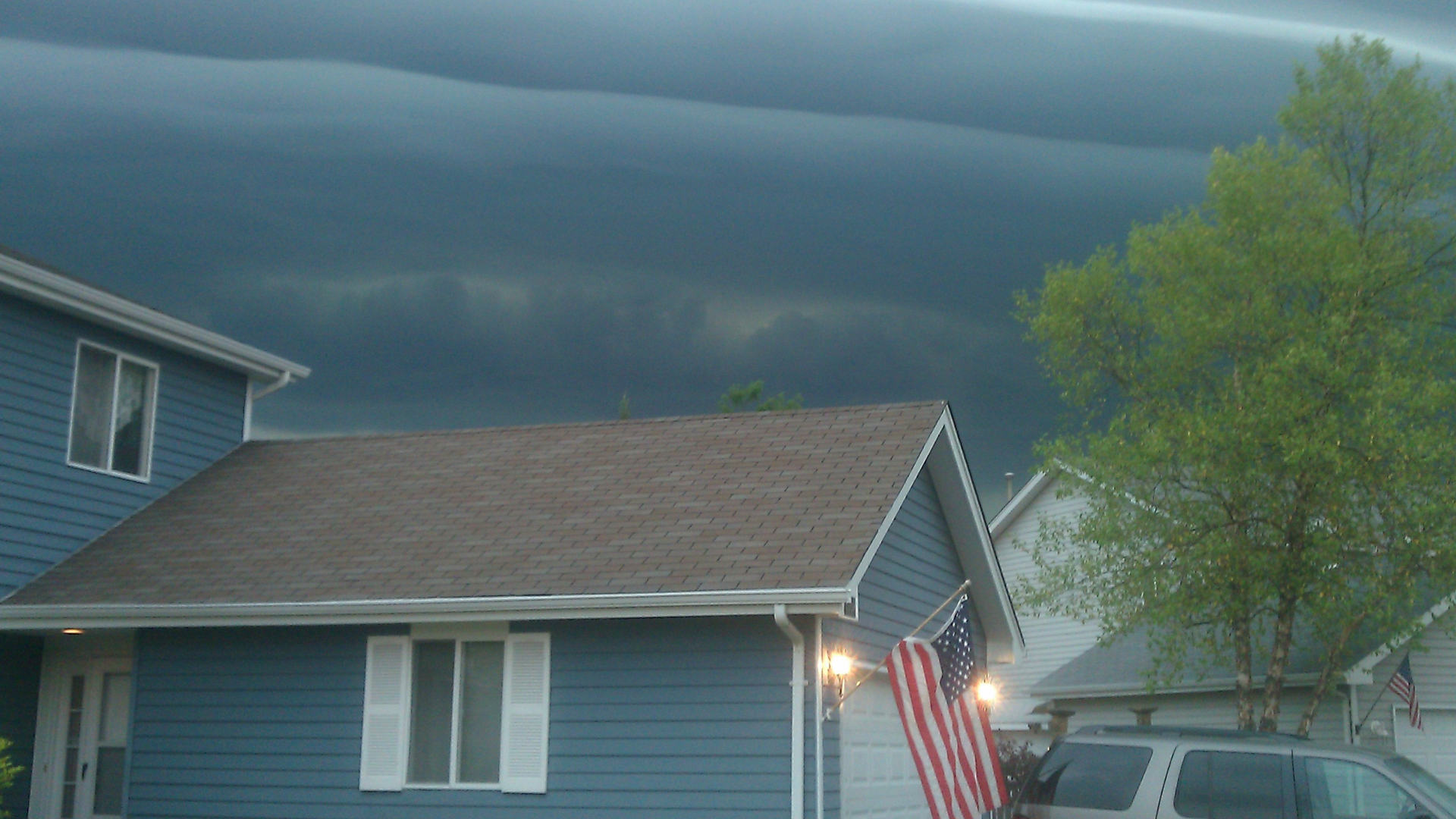
When severe seasonal storms tear through Arlington County, they don’t give advance warning. In a matter of minutes, high winds, microbursts, and heavy hail can compromise your home’s exterior. Whether you are dealing with shingles ripped from your roof over in Columbia Pike, a shattered window in Ballston, or a heavy tree limb crashing down on your gutters in North Arlington, emergency storm damage requires immediate action. Navigating the critical hours after a storm can be incredibly overwhelming. Knowing exactly how to secure your property safely, minimize secondary damage, and mobilize a rapid response team is essential to protecting your household and your investment.
Immediate Safety Measures and Rapid Property Stabilization
The first moments after a severe storm passes are entirely about hazard mitigation. Before stepping outside, verify that no downed power lines are resting on your yard, fence, or structures. If your home has sustained direct structural impact from a fallen tree, evacuate immediately and contact emergency services. Once the property is deemed safe to approach, your primary goal is to stabilize the exterior against the elements. Do not attempt to climb onto a wet, storm-damaged roof yourself to apply temporary covers. A professional emergency team can quickly deploy high-altitude tarps and structural board-ups to seal your home against incoming rain and prevent costly interior water ruin.
Documenting Storm Evidence for Your Insurance Carrier
Once your home is safely stabilized against immediate weather threats, you must focus on compiling a precise visual record for your insurance adjuster. Before any permanent restoration work begins, walk your property layout and take comprehensive, high-resolution photographs and videos of all visible impact points from the ground. Capture close-up views of torn siding, dented gutters, broken window casings, and any hail-shredded screens. Inside, document any ceiling stains or active attic tracking. Partnering with a trusted local contractor who provides an independent, digital damage assessment ensures you have ironclad evidence to secure the full coverage your restoration requires.
Navigating Arlington Permitting for Emergency Renovations
Executing major structural repairs in Arlington County requires a clear understanding of local building regulations. Under standard county guidelines, immediate emergency work—such as tarping a leaking roof, boarding up broken windows, or removing a hazardous tree on private property—can proceed immediately to protect public safety and prevent property decay. However, permanent structural restorations must align with local rules. While standard like-for-like roof shingle replacements generally proceed as ordinary maintenance without a permit, any repairs involving altered load-bearing walls or extensive structural roof framing must be submitted digitally through the Permit Arlington portal before permanent construction wraps up.
Conclusion
Facing sudden storm damage is stressful, but acting with speed and precision ensures your home recovers perfectly. By prioritizing personal safety, securing rapid temporary stabilization, and ensuring your documentation and subsequent repairs align with local Arlington standards, you can confidently navigate the recovery process. At Jakari Restoration & Construction, we are committed to providing Arlington County homeowners with responsive, top-tier emergency storm restoration services. If your property has been compromised by a recent severe weather event, don’t wait for a minor leak to turn into a major structural failure. Contact our local expert team immediately to secure your home.
Frequently Asked Questions
Does Arlington County require a permit to remove a storm-damaged tree on private property?
In most scenarios, Arlington County allows property owners to remove dead, dying, or hazardous storm-damaged trees on private property without a permit. However, strict exceptions apply if the tree sits within a designated Local Historic District, or within a Resource Protection Area (typically within 100 feet of a permanent stream). In those environmentally sensitive zones, you must coordinate with urban forestry officials for expedited emergency review.
What is the difference between emergency mitigation and permanent restoration?
Emergency mitigation refers to the immediate, temporary steps taken directly after a storm to stop active damage—such as applying tarps over a punctured roof, boarding up broken windows, or stabilizing a buckling wall. Permanent restoration is the subsequent phase where high-quality, permanent building materials are installed to return your home’s exterior to its original, pre-storm condition or better.
Should I wait for my insurance adjuster to visit before hiring a contractor for emergency tarping?
No, you should not wait. Standard homeowners insurance policies explicitly require you to take immediate action to mitigate further property damage. If you leave a storm-damaged roof exposed to incoming rain while waiting days for an adjuster to arrive, your insurance carrier can legally deny coverage for any subsequent interior water damage or mold growth that occurs in the interim.
Get a Free Home Exterior Inspection Today
Plus explore 0% financing options through Regions Bank.
View Financing
Our Offices
11512 Robertson Drive
Manassas, VA 20109
Manassas, VA 20109
Mon – Fri: 7:30 AM – 8 PM
Sat: 7:30 AM – 3 PM
Sat: 7:30 AM – 3 PM
1-866-217-7277
info@jakarirestoration.com
Service Area
Proudly serving: Loudoun, Arlington, Prince William, Fairfax, Fauquier, Stafford, and Falls Church counties & surrounding areas.
Licenses
VA Class A License No: 270567682
Classifications: RBC, HIC, and ROC
MHIC #: 137279